One of the
reasons I am so interested in veiling is because of its ambiguity. It can
conceal or reveal, it can hide or highlight, it is worn by nuns as well as
exotic dancers, it is associated with both marriage and mourning. I have used
this ambiguity in my practice by using veils as a means of exploring feminism
and the place of women in society. Veiling is also associated with gothic novels
- just think of Wilkie Collins’ story
The woman in white. Many of these
nineteenth century novels were also written to critique the position of women
and highlight their lack of legal rights. As those writers knew, it is often easier
to get across your point of view if you engage the reader by telling them a
story rather than laying out a series of dry facts. Consequently, I have made
bridal veils linked to actual gothic heroines such as Tess of the Durbevilles (there’s
more about this veil in my 7 January post) and Miss Havisham, but have also
used gothic tropes to make lace veils incorporating the words No, no, no or
Help me. The main image also includes a veil reflecting on the life of Charlotte
Bronte and I have also used Jane Austen’s life as inspiration for another one.
All of those pieces
were wedding veils, but I have also made black mourning veils to reflect the darker
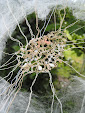
aspects of gothic tales. One of these is ‘Belladonna’, which you can see in the
image above. The design of the lace trim on this veil was inspired by the
leaves and berries of the deadly nightshade plant (Atropa belladonna to
give it its Latin name). The gold thread running through it suggests that the
widow may not be surprised or devastated by her husband’s demise. I’m always intrigued
when I exhibit these veils that prospective brides ask if they are for sale and
I wonder if they have actually read the labels!


No comments:
Post a Comment