Wednesday, 7 January 2026

Wedding veils – happy ever after?


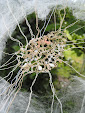
These wedding veils bring a gothic eye to traditional fairy tales and question the idea of marriage being the ultimate dream for fictional heroines. The image above shows the No, no, no veil, on the left, designed for the reluctant bride, and a veil celebrating Thomas Hardy’s heroine Tess of the Durbevilles on the right. The ‘No, no, no veil’ was inspired by the idea of a reluctant bride, who is forced into an unwanted marriage, using her bobbins and thread, the only means of discourse she possesses, to reveal her inner thoughts and appeal for help. The veil on the right references the episode in Tess of the Durbeville’s story where she writes a note to Angel Clare on the night before they marry, telling him about her past, in case that knowledge would cause him to change his mind. It is only once they are married that she realises he did not find the note and when she confesses her chequered past he rejects her. The disintegrating paper represents the hidden note and the fragility of the marriage. The veil is entitled ‘Paper trail’ reflecting the path the story follows after the confusion over this slip of paper, which eventually leads to Tess’s trial and sad end.

This veil with its sparkling fringe reflects the allure of marriage for the gothic heroine. From a distance this sparkling fringe appears to be made of soft, smooth thread but closer inspection reveals that it is composed of rows of hard, sharp pins. Its title ‘Pinned down’ suggests the sharp reality of conjugal bliss and domesticity. These veils are part of a series based on research into Victorian gothic novels and domesticity and their relevance to contemporary life.

No comments: