Various
special types of food and drink were associated with Tanders. At Olney in
Buckinghamshire, frumenty, a type of porridge, was made by boiling wheat in
milk until it was soft and adding plums, nutmeg, cinnamon or sugar. Thomas
recommends it, saying it is a ‘splendid dish’ and suggests his readers should
try it. The proprietors of Honey House in Olney made a drink specially for the
holiday called metheglin. It was made by dissolving honey in boiling water that
had been flavoured with spices. Ground malt and a piece of toast dipped in
yeast were then added and the mixture was set aside to ferment. Lacemakers
brought jugs to the House on the 30th to be filled with the liquor and warmed
it up at home to be drunk with the frumenty. At Cranfield a Tanders cake was
made from a yeast dough, lard, sugar and caraway seeds. Thomas does not provide
a recipe but it sounds similar to lardy cake which is still made today.
Variations on the cake were made in several places and it was accompanied by
hot elderberry wine in Stevington.

Most of the
festivities associated with Tanders seemed to take place in the evening and
included dancing to fiddle music and singing ballads. Thomas reports than ‘the
young folk played bob-apple and other riotous games’. For bob-apple, the
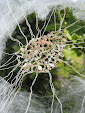
crossed wooden ‘blades’ of the bobbin winder (which you can see in the image
above) were hung from a beam on the ceiling, and pieces of apple or candle were
hung from the blades. The players were then blindfolded and took it in turn to
try and eat a piece of apple without eating the candle by mistake. Although of course
eating the candle was much more amusing for the spectators. The ringing of the
church bells at midnight always brought an end to the games and everyone then
enjoyed some cake and wine before returning home.